How Do Children Feel About Being Adopted?
What it Feels Like to be Adopted [Your Guide to Adopted Children’s Feelings]
By placing your baby for adoption, you can give them a lifetime of love and opportunity.
-
Through adoption, you can give your baby two loving parents who have been longing and preparing for a child for years. Choose those parents here.
-
Your child will grow up in a safe, stable, comfortable home, where they will have every opportunity you want for them.
-
Your child will know that the amazing life they have with their family is because of your brave decision. You will be their hero.
You can get more information about adoption and how the process works by calling 1-800-ADOPTION now.

If you are considering adoption for your baby, it is normal to wonder how your child will eventually feel about your decision. You probably wonder what it's like being adopted and growing up as an adopted child.
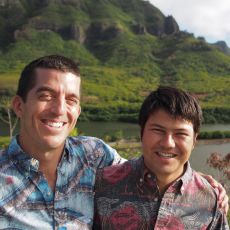
For adoptees like Cole, the answer is simple: Growing up adopted means growing up like any other kid, with a family who loves you “to pieces.”
“It’s just like you’re growing up knowing to spell your name,” he said. “I’m growing up knowing that I was adopted.”
Watch more of Cole’s thoughts about being adopted here.
While every person is different, and it’s impossible to predict exactly how your child will feel about his or her adoption, most children today grow up happily adopted, like Cole.
American Adoptions has over 30 years of experience as one of the nation’s largest domestic infant adoption agencies. We have helped thousands of birth mothers successfully place their children through our agency. Although it is very common to have concerns and questions about the impact adoption will have on your child and what they will think, we are here to help provide you answers and ease your mind.
In fact, our co-founder Scott Mars is an adoptee himself. He shares his story here and explains what adoption means to him.
“I was the centerpiece of their life,” he said about his adoptive parents. “My mom and dad were a couple who weren’t able to become a mom and dad without adoption. Of all the people in this world, they deserved to be parents. And without adoption, they would not have been able to share their love, to share their life and give someone the life that I had.
“Because of adoption, my life was filled with love and opportunity.”
In addition to our co-founder, we have several adoptees, birth parents, and adoptive family members on our staff, so we know firsthand what it feels like to be adopted and what it takes to raise a happily adopted child. We work with only the very best adoptive families to ensure every child placed through our agency gets a life of love and opportunity, just like Scott did.
You can always call us at 1-800-ADOPTION or fill out our online form to speak with an adoption professional and to get more information. They will be able to answer any questions you may have. Until then, continue reading this guide about how your child will feel about being adopted.
Helpful Information
How Do Children Feel About Being Adopted?
Women who are considering placing a baby for adoption often wonder: what emotions do kids give up for adoption feel? They ask themselves, “If I give my child up for adoption, will he have a good life?”
According to countless adoptees, the answer is yes — when you make an adoption plan for your baby and choose the perfect adoptive parents to raise him or her, chances are your child will have the wonderful life you want them to have.
“[My parents] were at every school event. They helped us with homework. They read and told us stories every night. I grew up able to travel the world, and I learned piano...” said Diana, who grew up in an open adoption. “The love is unconditional and it’s constant, and they will always make it felt.”
To watch more of Diana’s story about growing up adopted, click here.
The statistics back up stories like Diana’s.
-
Studies show that children who are adopted grow up to be as happy and healthy as their peers.
-
In some instances, they even seem to have more advantages and opportunities than children in the general population.
-
A report by the U.S. Department of Health and Human Services may put to rest many of the arguments or concerns about adoption’s impact on children being adopted.
The report, titled "Adoption USA," was compiled from data from the National Survey of Adoptive Parents — a federal survey of 2,000 families that children who are adopted from foster care, internationally or through private domestic adoption.
The report found that:
-
85 percent of children who are adopted are in excellent or very good health
-
Children who are adopted are more likely to have health insurance than children in the general population
-
Children being adopted were less likely to live in households below the poverty threshold
The report also found a few other benefits for children who are adopted:
-
Children who are adopted were more likely to be read to every day as a young child (68 percent of children who are adopted vs. 48 percent of children in the general population).
-
Children who are adopted were more likely to be sung or told stories to every day as a young child (73 percent of children who are adopted vs. 59 percent of children in the general population).
-
Children who are adopted were more likely to participate in extracurricular activities as school-age children (85 percent of children who are adopted vs. 81 percent of children in the general population).
-
More than half of children who are adopted were reported to have excellent or very good performance in reading, language arts, and math.
Findings also included statistics regarding the openness of adoption, showing that children who are adopted can especially benefit from healthy relationships and continued communication with their birth parents throughout their lives. Furthermore, the study found that nearly all — 97 percent — of children who are adopted ages 5 and older knew they were adopted.

Adoption Is Growing and Changing (for the Better!)
Although only a few decades ago, the norm for adoptions was to have a closed relationship, a study from the Evan B. Donaldson Adoption Institute titled “Openness in Adoption” reports that only 5 percent of today’s adoptions are closed, and the remaining 95 percent are open. The study also cites benefits for children who are adopted who have continued contact with and access to their birth parents after they are adopted.
“I’m a happy, well-adjusted adult (or at least as much as any of us are!) because I grew up with an open adoption,” adoptee Diana said. “I’m so lucky to have such a fantastic relationship with both my birth and adoptive families. I wouldn’t be the person that I am today without both of those sides of me. Open adoption gave me that.”
American Adoptions supports and encourages this shift toward increased openness in adoptions given the research that has shown benefits for everyone involved, especially adoptees.
Contact with birth families allows children who are adopted to maintain access to medical, genealogical, and family histories. Youth in open adoptions also have a better understanding of the meaning of adoption and more active communication about adoption with their adoptive parents.
Adopted teens who had open adoptions described a range of benefits, including:
-
understanding the reasons for their adoption.
-
being able to identify where personal traits came from.
-
having information to help them with identity formation.
-
having positive feelings toward their birth mother.
The happiness of children who are adopted can be linked to the healthy development of their identity. Children who feel secure in their relationship with their adoptive family and understand and accept their adoption are able to lead happy, healthy, and well-adjusted lives.
-
American Adoptions screens and selects our adoptive families to ensure children who are adopted will be raised in safe homes with attentive parents who can provide a lifetime of love and opportunities.
-
We use our personal adoption experience to select only the very best adoptive parents for our program, giving you peace of mind you are making the best decision.
To gain more firsthand experiences from adoptees, you can read these testimonials of those who have shared their own stories about what it feels like to be adopted. Understanding adoptees’ thoughts and feelings toward adoption can provide peace of mind knowing that their lives have been happy and changed for the better.
-
Having concerns about how your child will grow up and what they will think about being adopted is natural.
-
Because you are making such a brave, life-changing decision, you want to be sure they have the life you dream of.
-
American Adoptions can help ensure that happens.
If you are still looking for more information about what it’s like to be adopted, give us a call at 1-800-ADOPTION, or get free adoption information by filling out this form.
Disclaimer
Information available through these links is the sole property of the companies and organizations listed therein. American Adoptions provides this information as a courtesy and is in no way responsible for its content or accuracy.