How Long After Adoption Can You Change Your Mind in Minnesota?
If you're pregnant and considering adoption, you might be wondering, “How long after adoption can I change my mind?” This question shows that you're thinking carefully about one of the biggest decisions you'll ever make.
Right now, you may be weighing your options, imagining different futures and working to understand every part of the adoption process — including what happens after you sign consent. Minnesota law provides specific protections for birth parents during this time, and knowing what those are can help you move forward with confidence.
In this article, we'll walk you through Minnesota's consent laws, explain what the revocation process looks like and share stories from birth mothers who have navigated these same questions. If you want more information about your options, you can fill out our short form or call 1-800-ADOPTION.
How Long After Adoption Do I Have to Change My Mind in Minnesota?
In Minnesota, you have 10 working days after signing your consent to adoption to change your mind. During this adoption revocation period, you can withdraw your consent by notifying the adoption agency, the court or the supervising entity in writing.
After those 10 working days pass, your consent becomes permanent. At that point, it can only be reversed by a court if someone lied to you or tricked you into signing. This timeline is designed to balance your rights as a birth parent with the stability and permanency that your baby and the adoptive family need moving forward.
Understanding Adoption Consent in Minnesota
Consent is the legal document that transfers your parental rights to the adoptive parents. Minnesota law states that consent can only be signed at least 72 hours after your baby is born. This gives you time to be certain of your decision.
When is the adoption final? If you don't withdraw your consent, it becomes permanent. You can get your baby back after signing adoption papers in Minnesota during the 10-working-day revocation period. After that ends, your consent is binding, and reversing the adoption requires proving fraud in court.
American Adoptions provides comprehensive counseling before you sign consent to ensure you're truly ready. We never rush your decision or pressure you before you feel certain. You'll also have free legal representation so you fully understand Minnesota's laws before you sign anything.
Revoking Consent: Can You Get Your Baby Back After Adoption in Minnesota?
Here's what revocation of adoption consent looks like:
You’ll need to put your decision in writing, such as a letter or an email. Then, you must send it to the adoption agency handling your case, the entity supervising the placement or the district court. Timing is critical: Your written notification must be received — not just sent — by the 10th working day after you signed consent.
You don't have to go to court to revoke consent during this time. There's no hearing. No one will question your reasons or try to talk you out of it. You simply need to get your written notification to the right place before the deadline.
After the adoption revocation period ends, however, the situation changes. At that point, Minnesota law considers your consent permanent unless a court determines that someone deceived you or lied to get you to sign. These cases are rare and require legal evidence.
Understanding the Emotional Complexity After Birth
The days and weeks after giving birth are emotionally intense. Many women wonder if they will regret giving their baby up for adoption. These feelings are real and valid.
After birth, you're navigating a lot at once: physical recovery, emotional adjustment and the weight of the decision ahead. Yes, your body is going through hormonal changes that can intensify emotions, but that's not the whole story. You're also processing grief, love, hope, fear and a thousand other feelings that come with this situation.
If you're feeling uncertain right after birth, that's okay. Give yourself permission to feel everything without judgment. Talk to your adoption specialist about what you're experiencing. Take advantage of the 10-working-day revocation period if you need space to process.
You may also want to take time to reflect. What were the reasons you chose adoption in the first place? Are those circumstances still true? What does your support system look like? What does your future look like with and without parenting? These are big questions, and they deserve thoughtful consideration.
What to Do When Doubt Sets In
Doubt doesn't make you a bad person or mean you're making the wrong choice. Almost every birth mother wonders what happens if they regret their adoption decision.
Take a moment to think about why you chose adoption in the first place. What were the circumstances that led you here? What kind of future did you want for your child? What did you want for yourself? If those reasons were strong enough to guide you to this moment, they're probably still valid now.
Real Stories From Birth Mothers Who've Been Where You Are
Sometimes, the best way to understand what this journey looks like is to hear from others who have walked it before you.
Angelica
Angelica was 20 years old and already parenting two young boys when she found out she was pregnant with a girl. Living with her aunt and in an on-and-off relationship with her baby's father, she knew adoption was the right choice, but that didn't make it easy.
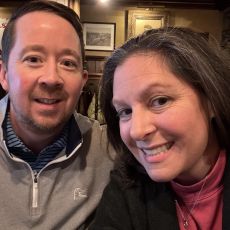
When it came time to choose an adoptive family, Angelica looked through every single profile American Adoptions had. Nothing felt quite right. Then she connected with Keith and Jenn, a couple from Rhode Island who had faced their own challenges.
When Angelica went into labor in Texas, Keith and Jenn flew in from Rhode Island to be there. They stayed with her through the entire delivery, with Jenn holding her hand through the pain. After her daughter Kaylin was born, all three parents spent hours bonding with the baby before saying goodbye.
Casey
Casey was working two jobs just to cover rent and childcare for her twin boys. She barely saw them. Most of their time was spent with a babysitter while she worked to make ends meet.
When the twins' father left to return to Mexico and couldn't come back due to citizenship issues, Casey knew she was on her own. She reached out to family for help, but no one was able to support her. She started researching adoption when her boys were 8 months old, spending months learning everything she could. When they turned 2 years old, she made the call to American Adoptions.
Today, Casey sees her twins every year. They know she's their birth mother, and their relationship continues to grow. Kim and Dave have become like family to her, supporting her through her pregnancy with her daughter and encouraging her educational goals.
What Happens When the Adoption Revocation Period Ends?
Once the 10-working-day revocation period passes, the adoption moves toward finalization. At this point, the adoptive parents become your child's legal parents, and the adoption is permanent. The court will issue a final order, your child will receive a new birth certificate with the adoptive parents' names, and the legal process is complete.
For you, this means the adoption plan you created—whether it's open, semi-open, or closed—becomes the framework for your ongoing relationship (or lack thereof) with your child and their family. If you chose an open adoption, you'll begin the journey of staying connected through visits, calls, photos, and updates. If you chose a more closed arrangement, you'll move forward knowing your child is loved and cared for, even if you're not in regular contact.
What Rights Do Birth Mothers Have After Adoption?
Once your consent becomes permanent and the adoption is finalized, you no longer have legal parental rights. However, if you chose an open adoption, you can maintain a relationship with your child and their adoptive family. Open adoption agreements often include things like regular updates, photos, phone calls or even in-person visits.
The Role of Counseling in Making Your Adoption Decision
One of the ways American Adoptions protects birth parents is by providing comprehensive counseling throughout the process. Before you sign consent, you'll have access to licensed counselors who can help you process your feelings, explore your options and make sure adoption is truly the right choice for you.
Counseling continues after placement, too. If you're struggling with grief, doubt or the adjustment to life after adoption, your counselor will be there to support you. And if you need help navigating your relationship with the adoptive family or processing complicated emotions down the road, we're here for that, too.
Still Having Doubts About Adoption?
It’s alright if you're reading this and thinking, "I'm just not sure yet." You don't have to have all the answers right now.
Here's what you can do:
-
Talk to an adoption specialist. Our team is available 24/7 to answer your questions without judgment. You can explore your options and determine what’s best for you and your baby.
-
Take your time. You don't have to sign consent until you're ready. Even after your baby is born, you can wait until you feel certain.
The Support American Adoptions Provides to Birth Mothers
Now that you know how long after adoption you can change your mind in Minnesota, you can see that the law gives you a window to be certain of your decision.
Understanding your legal rights is important but so is having people in your corner who can help you work through the emotional weight of this decision.
That's where American Adoptions comes in. Here's what you can expect when you work with us:
If you're ready to learn more, fill out our form to get free information. You can also call 1-800-ADOPTION to speak to one of our specialists. We're here whenever you're ready.
Disclaimer
Information available through these links is the sole property of the companies and organizations listed therein. American Adoptions provides this information as a courtesy and is in no way responsible for its content or accuracy.