Life After Giving a Baby Up for Adoption in Louisiana
Finding Support, Healing and Hope

The hours and days after placement can feel surreal. After making one of the most difficult decisions of your life, you might be wondering what comes next.
Life after giving a baby up for adoption looks different for everyone. What matters is that you don't have to navigate this journey alone.
In this guide, we'll walk through what to expect after placement, the post-adoption support available to you in Louisiana and practical ways to move forward. If you need more information or just want to talk to someone who understands, fill out our form or call 1-800-ADOPTION.
What to Expect After Placing Your Baby for Adoption
The first few days after placement can be particularly challenging. Your body is recovering from childbirth while your mind processes a major life change. You might find yourself struggling to explain your thoughts to other people or feeling sad, numb or relieved. All of these reactions are normal.
As the weeks pass, you'll also navigate the legal side of adoption. The adoption becomes final in Louisiana after a court hearing, typically several months after placement. During this waiting period, you may experience a mix of emotions as the reality continues to settle in.
You don't have to go through this alone. Post-adoption support for birth parents is available whenever you need it — whether that's right after birth or months down the road. Your adoption specialist at American Adoptions is here to help.
Counseling Options for Birth Mothers After Adoption
As a birth mother, you can get counseling after adoption. American Adoptions offers free services that you can access anytime. Our team at American Adoptions understands that healing takes time, and we're committed to walking alongside you.
Counseling can help you process complex emotions, develop healthy coping strategies and navigate relationships with family members or friends who may not fully understand your decision. You don't have to carry this burden alone.
If you need more specialized support, we can also help connect you with licensed mental health professionals who understand the unique dynamics of post-adoption counseling for birth mothers.
Post-Adoption Support Groups Near Me
Finding community with other birth mothers who truly understand can be powerful. Here are some resources you can explore:
-
BirthmomsConnect offers virtual support groups on the second Thursday and fourth Tuesday of each month
-
Concerned United Birthparents has various support group options depending on your preferences, including virtual meetings accessible from Louisiana
-
r/birthparents is a Reddit community where birth parents share experiences, ask questions and offer support
Understanding Your Feelings After Placement
It's completely normal to feel regret or sadness after placement, even when you know adoption was the right choice. These feelings don't mean you made a mistake — they mean you love your child deeply.
Birth mothers commonly experience:
-
Grief
-
Guilt
-
Relief
-
Numbness
-
Pride
-
Anxiety
These emotions aren't mutually exclusive. You might feel several at once, or cycle through them over days and weeks. Post-adoption support can help you navigate these feelings without judgment. Remember: You can reach out to your American Adoptions specialist or ask to be connected with a counselor anytime you need support.
Is It Normal to Feel Regret After Giving My Baby Up for Adoption?
Many birth mothers experience moments of doubt, especially during difficult times or on significant dates like birthdays. This doesn't mean adoption was the wrong choice. It means you're adjusting to life after giving your baby up for adoption.
What helps most birth mothers move forward is remembering why they chose adoption. You made this decision because you knew it was what your baby needed, even though it was incredibly difficult for you.
Your Healing Timeline: When Will Things Feel 'Normal' Again?
There's no universal timeline for healing after placement. Some birth mothers learn how to emotionally cope with giving a baby up after a few months, while others need a year or more.
Your normal has changed. Instead of trying to go back to a normal life, you're creating a new one. This life includes your role as a birth mother, your relationship with your child's adoptive family and whatever path you choose for your future.
Maintaining Your Connection With Your Baby's Adoptive Family
Wondering when you can see your baby again after an open adoption? The answer depends on what you and the adoptive family you choose agreed to.
Keep in mind that the first few weeks are an adjustment for everyone. The adoptive parents are learning to care for a newborn. You're also healing physically and emotionally. This doesn't mean the relationship won't develop; it just means everyone needs some breathing room.
Communication typically resumes gradually. Your adoption specialist can help facilitate these conversations and ensure everyone's expectations are aligned. Remember that open adoption relationships evolve over time, and what works in the first months might look different as your child grows.
Navigating Conversations About Your Adoption Decision
Deciding what to share about your adoption experience — and with whom — is entirely your choice. You don't owe anyone an explanation, though you might find it helpful to prepare some responses for common questions.
With close friends and family, honesty often works best. You might say something like, “I chose adoption because I wanted my baby to have opportunities I couldn't provide right now. It was the hardest decision I've ever made, and I need your support.”
For acquaintances or coworkers who ask intrusive questions, it's perfectly acceptable to set boundaries. You can say, “That's personal, and I'm not comfortable discussing it,” or “I appreciate your concern, but I'd prefer not to talk about it.”
Supporting Your Other Children Through the Adoption Process
If you have other children, you're probably wondering how to explain this to your other kids. The best approach depends on their ages:
-
For Toddlers (2-4): Keep explanations simple and concrete. You might say, "The baby went to live with a family who can take care of them. We still love the baby, but they have a different home now."
-
For School-Age Children (5-11): They can understand more nuance. "I chose adoption because I wanted the baby to have a family with two parents who are ready to raise them. It was a hard choice, but I made it out of love."
-
For Teenagers: They can grasp complex emotions. "This was one of the hardest decisions I've ever made. I'm still processing my feelings, and I might need extra support from you sometimes."
All children benefit from reassurance that your love for them hasn't changed. They may also have their own grief about losing a sibling, so watch for behavioral changes and consider counseling if needed.
Going Back to Work or School After Placement in Louisiana
Returning to work or school is one of the practical realities of life after adoption. The decision typically depends on your recovery and personal circumstances. Your body has been through childbirth and needs time to heal. Beyond physical recovery, you'll need to assess whether you're emotionally prepared to manage workplace interactions and responsibilities.
It's okay to tell people only what you're comfortable sharing. Some birth mothers prefer privacy and simply say they needed personal time off. Others find that sharing their story helps them feel less isolated. You get to decide what feels right for you.
Birth Mother Stories: Life After Adoption
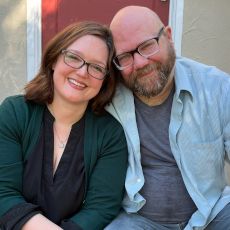
Chauniece
Chauniece was young and facing an unplanned pregnancy when she decided adoption was the best path forward for her baby. When Chauniece went into labor, fear and second thoughts crept in. But as soon as her baby was placed with the adoptive parents, something shifted
Read more of Chauniece’s story.
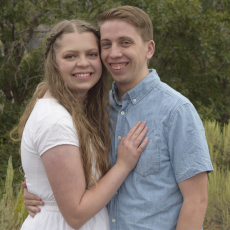
Jah
Jah chose an open adoption, wanting to maintain a connection with her son and his adoptive family. In the years since placement, that ongoing relationship has been what helps her find peace with her decision.
Seeing her son thriving didn't erase the pain of placement, but it gave her peace knowing that her sacrifice created something beautiful for him.
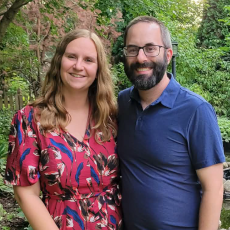
Rebecca
Rebecca didn't just gain peace of mind through adoption — she gained a family. Her relationship with her son's adoptive parents, Katie and Andy, became one of the most unexpected blessings of her adoption journey.
Birth Mother Post-Adoption Life Q&A
When should I share my adoption story in new relationships?
Dating after placement is absolutely possible, and you get to decide when to share about your adoption experience. Some birth mothers prefer to wait until they've established trust before discussing something so personal. Others feel more comfortable being upfront early on. When you do share your story, focus on your values and growth rather than apologizing or defending your choice.
What if boundaries with the adoptive family need to change?
Boundaries in open adoption relationships naturally shift over time, and that's okay. If you feel like the adoptive family is pulling back, try not to assume the worst. They might be managing their own stress or adjusting to their child's developmental stages. A gentle check-in through your adoption specialist can help clarify expectations without creating conflict. If you need more space, that's valid too.
What should I say to people who judge my decision?
You don't owe anyone a detailed explanation of your personal decisions. For people who are genuinely curious but lack understanding, a brief explanation might help. "I chose adoption because I wanted what was best for my child, even though it was incredibly difficult for me." For people who are openly critical or hurtful, set firm boundaries. "My decision is not up for debate."
Are significant dates always difficult?
Birthdays, placement anniversaries and holidays can stir up strong emotions. Many birth mothers find it helpful to create rituals around these significant dates, such as writing letters or arranging visits or video calls with their child's adoptive family. The intensity of these emotions typically softens over time, but they may never disappear entirely. That's evidence of enduring love.
Will my child eventually understand why I chose adoption?
Children in open adoption often grow up understanding their adoption story in ways that make sense for their age. Your ongoing presence in your child's life — whether through letters, visits or simply being available as they grow — reinforces that message. Many adoptees come to understand the complexity and love behind their birth parents’ decision.
We're Still Here for You — Reach Out Anytime
Post-adoption support for birth parents doesn't end after a few months. If you need someone to talk to or have questions about your open adoption relationship, reach out to us today. Your adoption specialist is still available to support you through every stage of your healing journey.
You made an incredibly brave and loving choice. Now it's time to focus on your healing and your future. We're here to help you do that.
Disclaimer
Information available through these links is the sole property of the companies and organizations listed therein. American Adoptions provides this information as a courtesy and is in no way responsible for its content or accuracy.