Life After Giving a Baby Up for Adoption in Florida
Finding Support, Healing and Hope
Right now, you might be feeling overwhelmed, uncertain or deeply emotional. Maybe you've just made one of the most selfless decisions of your life, and now you're wondering about what comes next.
This guide covers everything you need to know about life after giving a baby up for adoption in Florida. We’ll discuss what happens after placement, how to maintain a relationship with your child’s family and cover real stories from birth mothers who have been where you are now.
If you need pre- or post-adoption support, call 1-800-ADOPTION or fill out our form. One of our adoption specialists will be in touch to help.
What Happens After I Give My Baby Up for Adoption?
Understanding what to expect after placing your baby for adoption can help ease some of the uncertainty you may be feeling right now.
In Florida, the adoption can become final after a minimum of 90 days. During this time, a social worker will make visits to the adoptive family’s home, and the court will review the adoption paperwork.
The first few days after placement are often the most emotionally intense. You may experience a mix of grief, relief, exhaustion and even physical discomfort as your body adjusts post-pregnancy. There's no "right" way to feel. Whatever you experience is valid.
Post-Adoption Counseling Options for Birth Mothers in Florida
As a birth mother, you can get free counseling after adoption.
Your adoption specialist at American Adoptions remains available to support you through every stage of your post-placement journey. We also offer free access to licensed counselors who specialize in adoption-related grief and healing. These professionals understand what you’re going through and can provide personalized guidance.
If you prefer in-person support or want to work with a therapist long-term, we can connect you with licensed mental health professionals in Florida who have experience supporting birth mothers.
Post-Adoption Support Groups Near Me
Connecting with other birth mothers who understand your experience can be incredibly healing. Here are some post-adoption support groups options in Florida:
-
BirthmomsConnect offers virtual support groups on the second Thursday and fourth Tuesday of each month
-
Concerned United Birthparents has various support group options depending on your preferences
-
r/birthparents is a Reddit community where birth parents share experiences, ask questions and offer support
The Emotions You May Feel After Placement — And Why They're All Normal
It's normal to feel regret or sadness after placement, along with a complex mix of other emotions. Understanding that these feelings are part of the healing process can help you navigate them.
Our team at American Adoptions understands that healing takes time, and we're committed to walking alongside you. You can reach out anytime for post-adoption support.
Will I Regret Giving My Baby Up for Adoption?
Life after giving a baby up for adoption includes moments of doubt. Many birth mothers wonder, especially in the early days, if they'll come to regret their decision.
The truth is that adoption is a complex experience. You can simultaneously feel sadness about not parenting your child and peace about the choice you made. These feelings aren't contradictory; they're part of the same story.
You chose adoption because you knew it was what was best for your baby. As difficult as that decision was, it reflected your strength and your commitment to your child's well-being. That doesn't mean it won't hurt sometimes, but hurt doesn't equal regret.
How Long Does It Take to Feel 'Normal' Again?
For some birth mothers, the most intense emotions begin to ease within a few months. For others, healing takes longer. Healing isn't linear, and there may be setbacks along the way, especially around significant dates like your child's birthday.
Here are some strategies that can help you emotionally copy with giving your baby up for adoption:
-
Staying connected with your adoption specialist and utilizing counseling services
-
Joining a support group where you can share your experience with others who understand
-
Creating meaningful rituals to honor your connection with your child
-
Allowing yourself to feel your emotions without judgment
-
Building a support system of trusted friends or family members who respect your decision
How to Stay Connected With Your Baby's Adoptive Family After Placement
Wondering when you can see your baby again after an open adoption? The timeline for when and how you'll communicate depends on your specific agreement. Generally, the adoptive family will need a few weeks to adjust to life with a newborn. During this time, they may not be able to respond as quickly.
This time to settle in is normal and doesn't reflect a lack of care for you. Most adoptive families deeply value their relationship with their child's birth mother and want to maintain that connection long-term.
You may also need time to heal physically and emotionally before you're ready to see the baby again. There's no rush, and it's okay to take the time you need. The relationship you have with the adoptive family is one that can grow and evolve over the years ahead.
How to Talk About the Adoption With People in Your Life
Deciding what to share about your adoption experience — and with whom — is entirely up to you.
-
Friends and Family: If you've been open about your adoption plan, these conversations may feel more natural. However, you might still face questions that feel intrusive or judgments that are hurtful. It's okay to set boundaries about what you will and won't discuss.
-
Coworkers: You're not obligated to share details about your adoption with people at work. If you prefer to keep this part of your life private, you can just say you’ve been dealing with personal matters.
-
New People: Many birth mothers worry about when and how to bring up their adoption experience, especially in new relationships. There's no rule that says you have to disclose this immediately. Share when you feel comfortable and with people you trust.
Parenting After Adoption Placement: How to Support Your Other Children
Not sure how to explain this to your other kids in a way they can understand? Using age-appropriate explanations can help.
-
Young Children (ages 2-5): You might say, "Remember the baby in my belly? The baby is with a mommy and daddy who are taking care of them now." Young children may ask questions repeatedly as they process the information. Answer honestly but simply, and reassure them that they are loved and safe.
-
School-Age Children (ages 6-12): Children in this age group can understand more nuance. You might explain, "I made a plan for the baby to live with a family who can give them what they need right now. It was a hard choice, but I did it because I love the baby and I love you." Be prepared for questions about why the baby couldn't stay with your family.
-
Teenagers: Teens can understand the complexity of your decision and may even have opinions about it. Encourage them to share their feelings and validate any emotions they express — confusion, sadness, relief or even anger. Let them know it's okay to feel however they feel.
Returning to Work or School After Adoption
Life after adoption includes practical considerations like when and how to return to work or school.
Depending on your delivery experience, you may need a few weeks to recover physically before returning to work or classes. Listen to your body and don't rush the process. Even if you feel physically recovered, you might not feel emotionally ready to jump back into your routine. If possible, consider easing back in gradually.
You're not required to share details about your adoption with coworkers or classmates. You can say, "I needed some time to deal with a personal matter." If you're comfortable being more open, you can share as much or as little as you'd like.
Real Stories From Birth Mothers Like You
Hearing from other birth mothers who have walked this path can provide hope and perspective during difficult moments.
Sara's Story
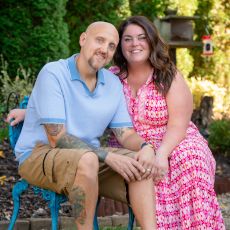
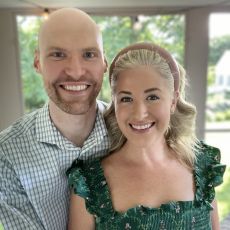
At 41 years old, Sara was already a mother to two adult sons when she discovered she was unexpectedly pregnant. As a single mother, she knew she couldn't parent a third child on her own at that stage of her life. She chose adoption and connected with an adoptive couple, Korby and Sammi, when she was just three months pregnant. They built a strong relationship over the months leading up to delivery.
Two months before her due date, Sara's plans were thrown into chaos when a potential father came forward to contest the adoption. She gave birth without the adoptive parents present and brought her son, Isaiah Teddy, home from the hospital. For 13 days, Sara cared for him while waiting for DNA test results. When the test confirmed the man wasn't the father, Sara was finally able to place Teddy with Korby and Sammi.
Casey's Story
Casey was working two jobs just to afford childcare for her infant twin boys. As a single mother at 19, she spent six days a week working and her one day off catching up on laundry and cleaning. Her sons' father had returned to Mexico and couldn't come back to the U.S. because of citizenship issues.
Casey spent eight months researching adoption, watching YouTube videos, and making lists of pros and cons. When her boys were 2 years old, she called American Adoptions. She wanted her sons to have a father figure, a stable home and opportunities she couldn't provide.
Post-Adoption Life for Birth Mothers: Q&A
When should I tell someone I'm dating about my adoption?
You don't owe anyone an explanation immediately. Wait until you feel comfortable and trust the person you're dating. When you do share, pay attention to how they respond. Someone who reacts with empathy and respect is worth keeping around.
What if I need to change how often we communicate with the adoptive family?
Communication needs in open adoption naturally shift over time. If you feel like communication is too frequent or not frequent enough, it's okay to gently express that. Remember, the adoptive parents are navigating this relationship too, and they may not always know what you need unless you tell them.
How do I respond to people who judge or don't 'get' my decision?
You're under no obligation to educate people who approach you with judgment. Setting boundaries and finding supportive communities is key. Surround yourself with people who respect your decision, and distance yourself from those who don't.
Will certain dates, like my baby's birthday or the day of placement, always be hard?
Birthdays or placement anniversaries can stir up strong emotions, and creating intentional rituals can help honor the ongoing connection. Some birth mothers write letters to their child on their birthday, visit a special place or spend time with people who support them. Over time, these dates may become less painful, but it's okay if they remain emotionally significant.
Will my child understand my decision one day?
Children in open adoption often grow up understanding their birth mother's love. Many adoptees come to deeply appreciate the sacrifice and love that went into their birth mother's decision. By maintaining a relationship and being honest about your choice, you're giving your child the best chance to understand.
We're Still Here for You — Reach Out Anytime
Post-adoption support for birth parents doesn't end at placement — it's a lifelong commitment we make to the courageous women who chose brighter futures.
Whether you're struggling with difficult emotions, need help navigating your relationship with the adoptive family or simply want someone to talk to, we're here. You can reach your adoption specialist anytime, and they'll connect you with the resources and support you need.
If you’re considering adoption for your baby, you can call 1-800-ADOPTION or fill out our contact form for more information.
Disclaimer
Information available through these links is the sole property of the companies and organizations listed therein. American Adoptions provides this information as a courtesy and is in no way responsible for its content or accuracy.